
How a Lana Ultra 2 Should Be Packed for Delivery
Good packing for a lana ultra 2 order is invisible when it is done right. The parcel arrives flat, clean, and intact, and the buyer never thinks about the box again. Bad packing is equally obvious, just in the opposite way: crushed corners, rattling contents, a device that has been shaken around for two days, and a seal that has already started to lift. Anyone who orders disposables regularly learns to read a parcel like a short report on the seller’s standards, and that report is written before the courier ever leaves the warehouse.
This is not only about one device. The same handling logic applies across the disposable category, whether someone is buying a marbo vape 25k or a smaller pen-style unit. Packaging is the part of the transaction the buyer physically touches, and it is the part most sellers treat as an afterthought. The gap between a careful packer and a careless one shows up in the first ten seconds after the doorbell rings.
What a Correctly Packed Disposable Order Looks Like
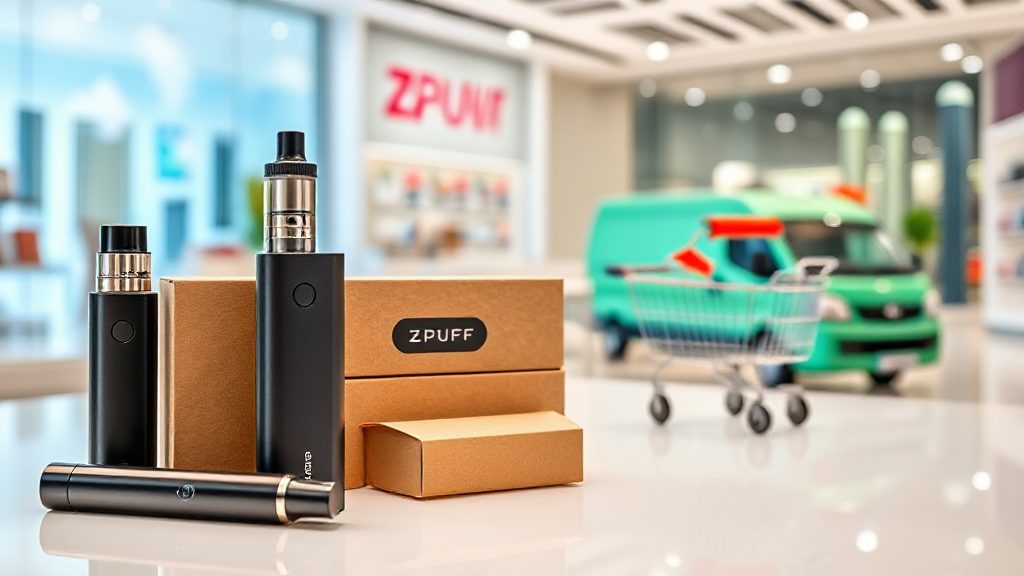
A properly packed order starts with the device itself. A sealed disposable should sit in its original retail box, not loose in a mailer. The retail box protects the mouthpiece, keeps the seal intact, and prevents the device from being pressed against anything hard during transit. When the outer packaging is removed, the retail box should look as though it just came off a shelf, with square corners and no scuffing on the printed panel.
Around that retail box, a competent packer adds a layer of cushioning. Bubble wrap is the standard, but the way it is applied matters more than the material. Two or three wraps around the box, taped so the wrap cannot slide, is enough for a short domestic trip. The wrapped unit then goes into a rigid outer carton or a padded mailer with a stiffener, not a thin plastic bag. The goal is simple: if the parcel is dropped from waist height, the inner box should not feel the impact.
Sealing is the next checkpoint. A good parcel uses a proper packing tape across the full flap seam, not a single strip in the middle. The seam should be flat, with no lifted edges that can catch on sorting machinery. If the parcel is going through a delivery network that handles thousands of items a day, a lifted tape edge is an invitation for the parcel to open somewhere along the route.
Finally, a correctly packed order includes discreet outer presentation. There is no product name, no brand logo, and no description of contents on the outside of the box. The label carries only the delivery information needed to route the parcel. This is a basic courtesy for buyers who do not want their purchase announced to whoever answers the door, and it is one of the clearer signs that a seller understands the market they are serving.
Common Packing Faults That Show Up on Arrival
The most frequent fault is the loose device. A disposable dropped into an oversized box with no cushioning will slide from one end to the other with every turn of the delivery van. By the time it arrives, the retail box corners are rounded, the printed panel is scuffed, and the device inside may have shifted enough to compromise the seal. Buyers notice this immediately, and it raises a fair question about how the item was stored before it was shipped.
The second common fault is over-compression. Some sellers compensate for a lack of cushioning by wrapping the device so tightly that the retail box is crushed. A flattened box is not a protected box. It signals that the packer treated the item as a soft parcel rather than a product with a rigid retail package that needs to keep its shape.
The third fault is weak sealing. A single strip of tape, or tape that does not overlap the flap edge, will often fail in transit. When a parcel arrives with a partially open flap, the buyer cannot tell whether the contents were disturbed. Even if the device is fine, the uncertainty damages trust. This is the kind of failure that looks minor in a warehouse and serious at the doorstep.
The fourth fault is careless labeling. A parcel that lists the product name, or uses a box with visible branding, removes the discretion the buyer expected. In a market where discreet delivery is a normal expectation, this is not a small detail. It is a direct break with what was promised at checkout.
Why Handling Standards Differ Between Sellers
Packing quality usually tracks operational discipline rather than product quality. A seller can stock genuine devices and still ship them badly if the packing station is rushed, under-supplied, or treated as an unskilled step. Conversely, a seller with modest inventory can deliver a better arrival experience simply by standardizing how every parcel is built. snowwolf 16k
Standardization is the key word. When a seller has a fixed packing procedure, the same cushioning, the same tape pattern, and the same outer presentation apply to every order. That consistency is what buyers actually experience. A single well-packed parcel is pleasant, but a seller who packs well every time is the one people return to.
This is also where delivery speed and packing quality interact. Fast dispatch is only valuable if the parcel survives the trip. A courier network that moves items quickly also handles them frequently, which means more opportunities for a weak parcel to fail. Sellers who understand this tend to build their packing standard around the worst case, not the best one.
Buyers comparing options often look at product pages and prices first, but the arrival experience is what confirms or undermines the decision. An order that arrives clean and intact validates the purchase. An order that arrives rattling and scuffed creates doubt about everything else, including authenticity.
Reading a Parcel as a Buyer
Inspection starts before the box is opened. The outer carton should be rigid, with square corners and no soft spots. A parcel that flexes when pressed is under-packed. The tape should be flat and continuous across the seam, with no lifted edges or re-taped sections that suggest the parcel was opened and closed again.
Once opened, the cushioning layer should come out as a single wrapped unit rather than loose filler spilling everywhere. The retail box inside should be intact, with sharp corners and an unbroken seal. If the retail box is crushed, the outer packing failed, regardless of how the device looks.
Then the device itself. The seal should be unbroken, the mouthpiece should be clean and covered, and there should be no rattling when the unit is gently moved. Any of these issues is a packing or handling problem, not a product problem, and they are the reason careful buyers keep notes on which sellers ship well.
This kind of inspection is not paranoia. It is the normal behavior of someone who has received both good and bad parcels and learned to tell the difference. The same discipline applies whether the order is a marbo 25k or a multi-device purchase.
Where Careful Packing Fits in the Wider Buying Decision
Packing standards sit alongside product range and delivery reliability as part of the overall buying decision. A seller who stocks a broad selection, from a lana pen plus 9k to a lana pix 20k, still needs to get each individual parcel right. Range attracts the first order; handling quality earns the second.
This is why experienced buyers tend to evaluate sellers on a few concrete signals. Does the product page describe what is actually in stock? Does the seller offer a delivery method that matches the buyer’s schedule? Is the outer packaging discreet? And does the parcel arrive in the condition the product page implied? Each of these is a small test, and together they form a reliable picture.
For buyers in Singapore, the delivery layer is part of the product experience rather than a separate service. A lana pix that arrives crushed is a worse purchase than the same device arriving in perfect condition, even at the same price. Sellers who treat packing as a quality step rather than a cost step tend to understand this instinctively.
It also helps to think about what a good parcel does not contain. It does not contain loose filler that spills across the floor. It does not contain a retail box that has been folded to fit a smaller carton. It does not contain tape applied in a hurry. The absence of these problems is what a careful buyer is really looking for, and it is easier to notice than it sounds.
None of this requires special equipment. It requires a seller who has decided that the last mile of the order matters as much as the first. That decision shows up in the parcel, and the parcel is the part the buyer keeps.
Buyers who want a delivery experience built around intact, discreet parcels can compare options and check current stock directly at terea singapore. The right standard is not complicated, but it is visible, and it is worth choosing a seller who applies it every time.